

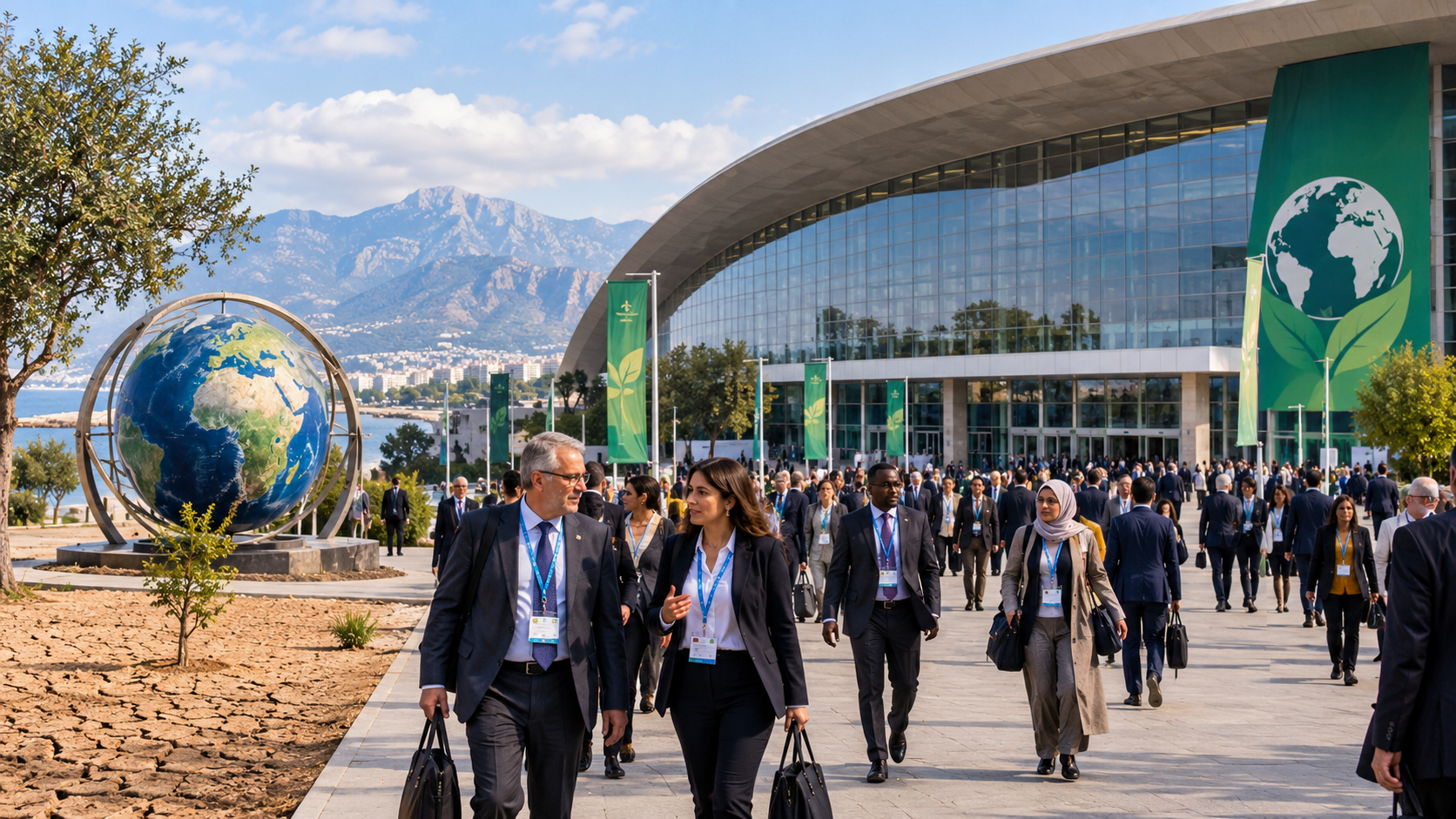
The COP31 United Nations climate conference in Antalya, Türkiye, has ended without agreement on its main overarching declaration, highlighting continuing divisions among countries over how to respond to the global climate crisis.
The negotiations became particularly difficult as governments debated fossil fuel commitments, climate financing and support for nations facing the most severe consequences of rising temperatures and extreme weather.
The outcome represents a setback for international climate diplomacy, although several other decisions were adopted during the summit.
Disagreements Prevent Consensus on Main Climate Declaration
The central disagreement concerned the proposed Antalya Pact, which was intended to provide an overarching framework for international climate action.
The European Union, United Kingdom, Germany, Norway, Panama, Vanuatu and the Marshall Islands were among those opposing the proposed agreement.
Their concerns included insufficient ambition, limited commitments on climate finance and the absence of an explicit reference to fossil fuels.
Several countries argued that the proposed language did not adequately reflect the urgency of reducing dependence on fossil fuels and accelerating the global transition towards cleaner energy.
Oil-producing countries, meanwhile, resisted stronger language on fossil fuel commitments, illustrating the continuing differences between national economic interests and international climate objectives.
Climate Finance Remains a Major Challenge
Financial support for developing countries remained another central issue throughout the negotiations.
Many climate-vulnerable nations have called for stronger commitments to help them respond to floods, droughts, rising temperatures and other climate-related disasters.
For countries with limited financial resources, climate adaptation requires investment in resilient infrastructure, water management, agriculture, healthcare and disaster preparedness.
Developing nations have repeatedly stressed that international climate agreements must include meaningful financial support rather than relying primarily on voluntary promises and future discussions.
The disagreements surrounding the Antalya Pact demonstrated how difficult it remains to establish common ground on these financial responsibilities.
Some Decisions Move Forward Despite the Deadlock
Although the summit failed to reach consensus on its main overarching declaration, the negotiations did not end without progress on every issue.
Several procedural and other decisions were adopted, including a decision concerning a Just Transition Mechanism.
The mechanism is intended to support discussions about ensuring that the transition towards cleaner economies takes account of workers, communities and countries affected by changes in energy systems and industrial activity.
However, the absence of an agreed main declaration left major questions about the direction and ambition of international climate cooperation unresolved.
Vulnerable Countries Face Growing Climate Risks
The outcome carries particular importance for countries already experiencing serious climate impacts.
Low-lying island nations, developing economies and communities dependent on agriculture remain especially exposed to rising sea levels, extreme weather, water shortages and changing rainfall patterns.
For these countries, delays in international agreements can create uncertainty over the availability of financial and technical support needed to prepare for future risks.
The concerns raised during COP31 therefore extend beyond diplomatic disagreements. They directly affect the ability of vulnerable communities to protect homes, livelihoods and essential infrastructure.
What Happens After COP31?
The failure to reach consensus on the main declaration leaves governments facing difficult questions about the next stage of international climate negotiations.
Countries will need to continue discussions on emissions reductions, fossil fuel dependence, adaptation financing and support for vulnerable populations.
The outcome also raises questions about how the international community can improve consensus-building when national priorities and economic interests differ significantly.
Despite the setback, the adoption of several other decisions demonstrates that cooperation remains possible in specific areas.
The challenge now is to turn those areas of agreement into practical action while addressing the divisions that prevented a broader settlement.
Sikandar Jamil Official will continue to follow international climate negotiations, environmental developments and their implications for vulnerable communities around the world.